-HISTORY-
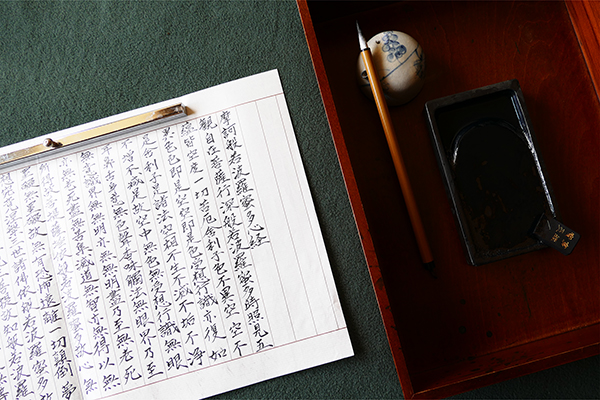
It began when Buddhist monks who introduced Chinese character culture pursued a sense of beauty when copying calligraphy. It has since evolved in its own way in the hands of the Japanese, and is now a part of Japanese culture with its own unique aesthetic sense.
中国の漢字文化を伝えた仏教僧侶が、書写を行う際に美意識を追求することから始まりました。それが日本人の手によって独自の発展を遂げ、現在では独自の美意識を持つ日本文化の一つとなっています。
-CULTURE-
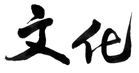
For Japanese people, calligraphy is not simply a way to learn the skill of writing beautiful characters; it is an artistic activity that leads to self-expression, improved concentration, and mental training. It has been passed down as a traditional culture that deeply understands Japanese aesthetics and values.
日本人にとって書道は、単に美しい文字を書く技術を習得するだけではなく、自己表現や集中力向上、精神の鍛錬に繋がる芸術活動であり、日本の美意識や価値観を深く理解する伝統文化として受け継がれている。

Zen
-MIND-
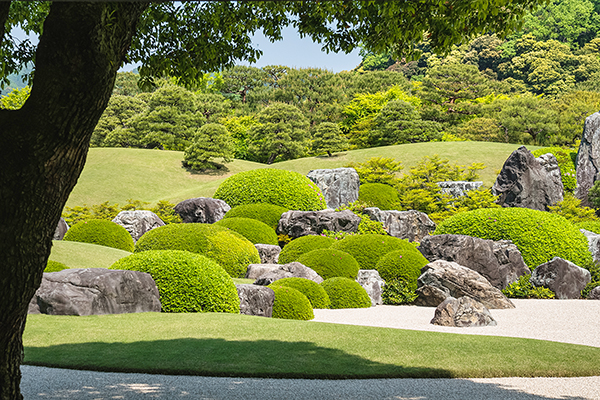
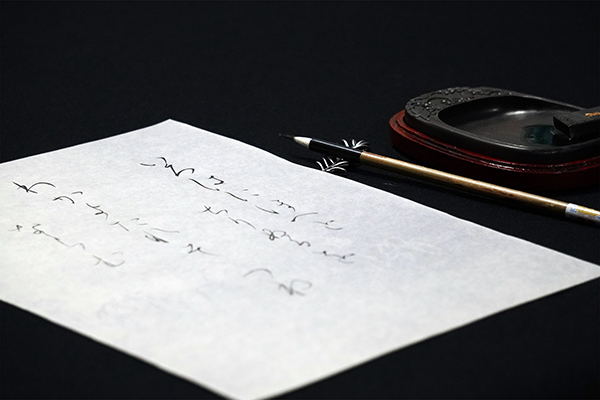
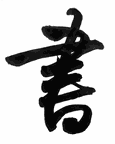
The actions of grinding ink and moving the brush have an effect similar to the "mindless" meditation practiced in Zen training. This calms the mind and improves concentration. Coordinating the rhythm and breathing when moving the brush is a major feature of calligraphy. By adjusting your breathing to match the pressure and movement of the brush, you can achieve a balanced mind and body, leading to a relaxed state.
墨をすり、筆を運ぶ動作は、禅の修行における「無心」瞑想に似た効果があります。これにより、心が静まり集中力が高まります。筆を運ぶ際のリズムと呼吸の調整は、書道の大きな特徴です。筆圧や筆の動きに合わせて呼吸を整えることで、心身のバランスが取れ、リラックスした状態に導かれます。

〒604-8381
Mayumi-koubou, 3F, 69-1, Syokushi-cho, Nishinokyo, Kyoto city, Kyoto
〒604-8381
京都府京都市中京区西ノ京職司町69-1
3F まゆみ工房内
If you have any questions, reservations, or are interested in our services, please feel free to contact us using the inquiry form on this website.
ご予約やご興味、ご不明な点などございましたら、本サイトのお問い合わせフォームより、お気軽にお問い合わせください。